The nerves
Test-Day Nerves, and What Actually Settles Them
Your hands go cold, your chest tightens, and your mind goes blank. That is not you failing before you have even started. That is adrenaline, the same chemical that has kept people alive for a very long time, arriving at an unhelpful moment. It is manageable once you know what it is doing, and it is the reason so much online advice to simply stay calm is worse than useless.
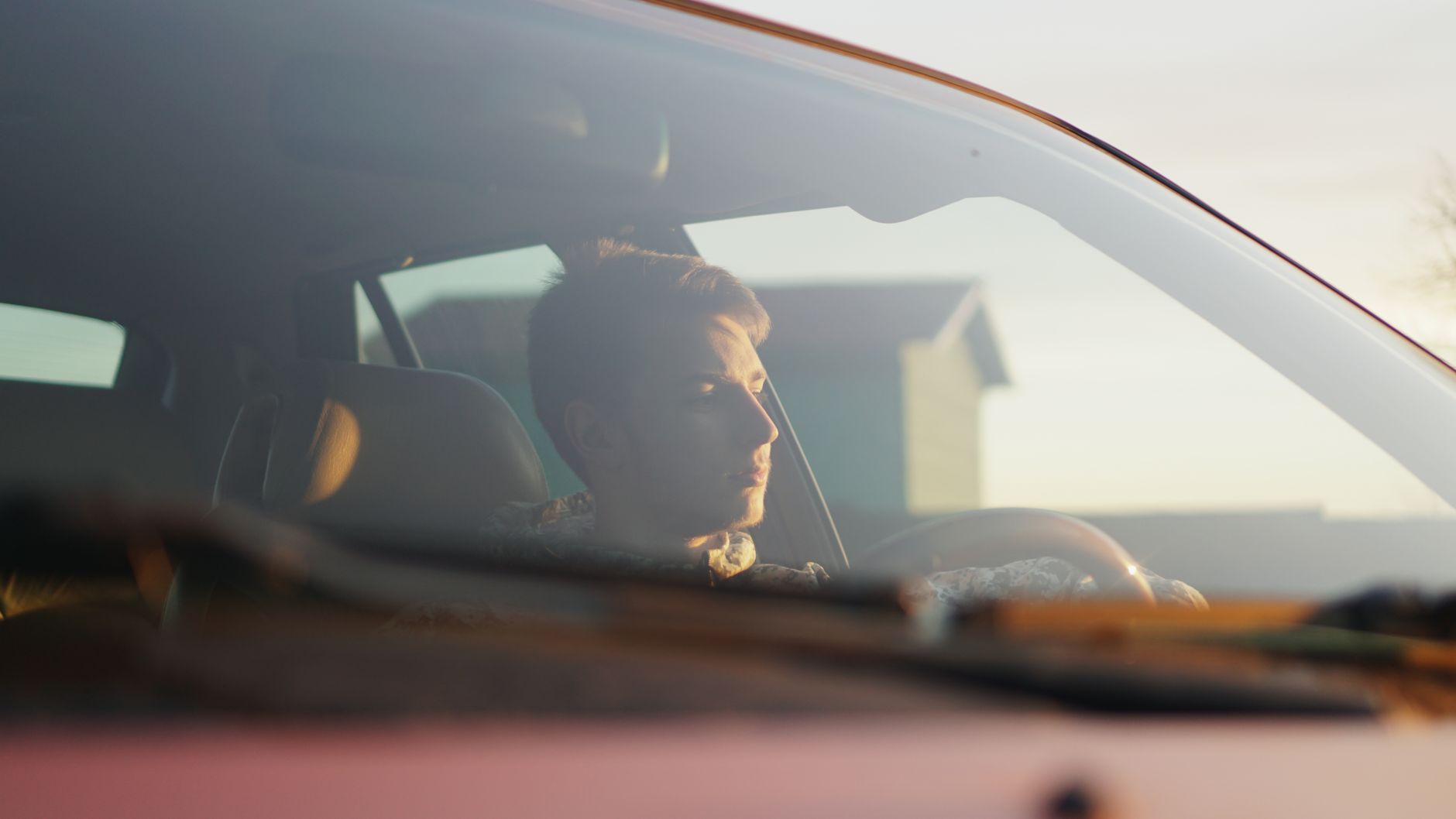
The nerves are not the problem. Forgetting is.
Being nervous does not make you a bad driver. A great many good drivers are shaking before a test. What adrenaline does is reach in and pull the learned things back out, so the mirror check you have done ten thousand times suddenly is not there. That is why the fix is not calm for its own sake. It is making the driving so automatic that even a rattled version of you still checks the mirror. Steady hands come from a steady head, and a steady head is built long before the day.
What genuinely moves the needle
Repetition, of the right kind. Drive the roads around your test centre until they are boring. Do the manoeuvres in real traffic, not only an empty estate, because the test has traffic and your body knows the difference. Ask your instructor for a mock test or two, the full straight-faced version, so the real thing is your third time and not your first. None of this is a clever tip. It is practice, doing the quiet work that panic cannot undo.
The small things on the day
Once the work is done, a few ordinary things do help. Sleep the night before matters more than a last cram. Eat something, because low blood sugar feels exactly like nerves and makes them worse. Arrive with time to spare so you are not walking in flustered. And go to the toilet beforehand, unglamorous but true, because a full bladder and a forty-minute test is its own small torment.
Some people get more than butterflies, a real racing-heart dread. If that is you, name it out loud to your instructor beforehand. It is common, it is nothing to be ashamed of, and a good instructor has sat beside it many times and knows how to work with it rather than pretend it is not there. Slow the breathing, name the next thing, do that thing.
What the test actually is
Here is the thought that quietly settles most people. The test is not a judgement on whether you are clever or worthy or good. It is a stranger checking, for forty minutes, whether you will do anything that endangers someone. That is all. And the way the test works is knowable, the faults are knowable, and the whole thing is far more ordinary than the dread makes it feel. More people fail than pass on a first go, and most go on to pass. Book the re-sit before you even walk in if it settles you, and then let it go.
The morning of
Do a short, easy drive on familiar roads if you can, just to loosen the stiffness out of your hands. Do not attempt anything hard for the first time that morning. You are not learning today. You are showing what you already learned. Trust the hundred quiet hours behind you, and let them do the driving. One small thing, then the next small thing, and the forty minutes are behind you.