Car control
Clutch Control: The Bite Point and the Stall
Nearly everyone learning in a manual has the same first fright. The car lurches, coughs and dies, the face goes hot, and a perfectly capable person quietly decides they are hopeless. They are not. They have simply not met the bite point yet, and the body has mistaken a small mechanical event for a disaster.
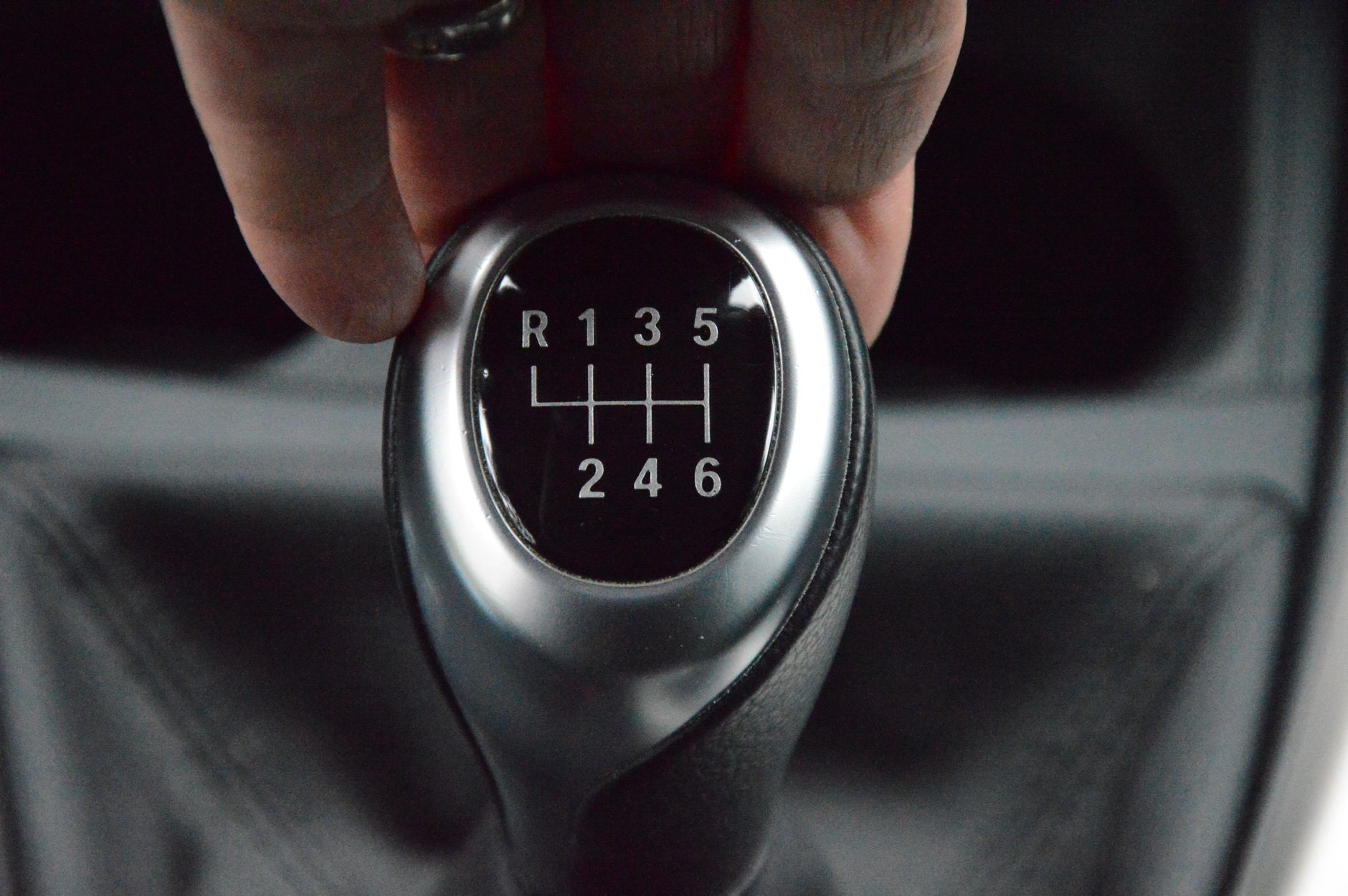
What the clutch actually does
Two spinning plates, roughly. One driven by the engine, one connected to the wheels. Clutch pedal down, they are apart and the engine spins free. Pedal up, they press together and the engine drives the car. The bite point is the exact spot where those plates first begin to touch and the car first wants to move. That is the whole secret. Everything else is learning to find that spot without looking for it.
Finding the bite point
Handbrake on, in first, a little gas held steady. Now lift the clutch slowly, and I mean slowly, until you feel the car strain gently against the handbrake and the engine note dips. Stop lifting. That is it. That is the bite. Sit there a second and feel it, because the aim is for your foot to learn where that point is, so it can find it in the dark, on a hill, with a bus behind you. Practise it until it is boring. Boring is exactly what we are after.
Why you stall, and why it barely matters
You stall when the plates grab faster than the engine can cope, usually because the clutch came up too quickly or there was not enough gas. That is all a stall is. It is not damage, it is not a disaster, and every driver on the road has done it many times. A stall is not an emergency, even though your body files it as one. The stall itself is genuinely fine. What we work on is what happens in the seconds after it.
You stall at the lights. Someone behind gives the horn. The face goes hot, you rush the restart, over-rev, kangaroo forward and stall again. None of that was the stall. The stall was over in a second. Everything after the horn is the adrenaline taking the wheel, and learning to let the horn pass without flinching is half of driving. Slow the breathing, name the next thing, restart.
The hill start
Hills are where clutch control earns its keep, because gravity is now trying to roll you back towards whoever is behind. The move is a calm sequence, done smoothly: find the bite with the handbrake still on, add a touch more gas, then release the handbrake only once you feel the car held by the clutch. Get it wrong and you roll back. Get it right and the car sits still on the slope as if it were parked. Handbrake, bite, gas, off. Drill that one until your foot owns it and your head is free to look around.
Smoothness before speed
New drivers think the aim is to move off quickly. It is not. The aim is to move off smoothly, without lurch or stall, every single time, so that a junction never becomes a drama. Slow and smooth on the clutch is what the tester wants, and what a passenger's stomach wants too. Speed arrives on its own once the smoothness is automatic. This is foundation work, the first block of the twelve EDT lessons, and everything faster is built quietly on top of it.