The manoeuvre that fails most
Roundabouts Without the Panic
Roundabouts fail more tests than anything else on the sheet, so it is worth taking them slowly and settling them properly. They are not hard. They feel hard because a lot happens at once and the body starts to rush. Take the rush away and a roundabout is only a give-way junction that happens to be circular.
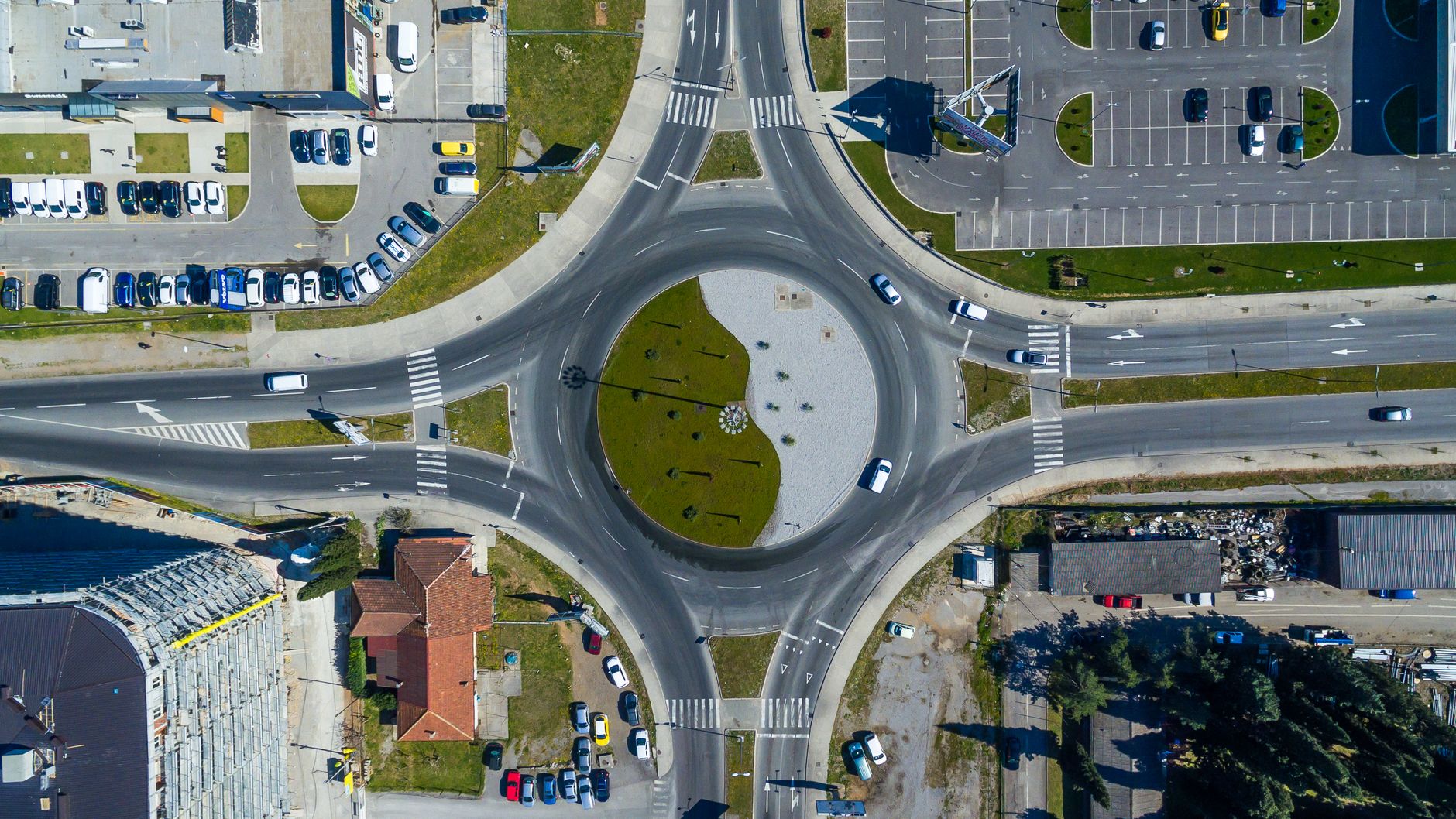
The one rule that clears up most of it
Picture the roundabout as a clock, and you are entering at six. Anything before twelve, the first exits, is a left turn: left lane, left signal on approach. Twelve o'clock, roughly straight ahead: usually the left lane, no signal on approach, then signal left as you pass the exit before yours. Anything past twelve: right lane, right signal on approach, then change to a left signal once you are committed to coming off. Learn that skeleton and most of the panic quietly goes.
Approach is where it is won or lost
The mistake is nearly always made before the roundabout, not on it. People arrive too fast, in the wrong lane, having decided nothing, and then try to sort it all out at the give-way line with the heart going. Slow early. Pick your lane early. Signal early. By the time you reach the line, everything is decided, and all that is left is to look right, judge the gap and go. Doing the thinking in advance is how you keep the body calm when it counts.
Lane discipline, the part the tester watches
Stay in your lane the whole way round. Do not drift, do not cut across, do not wander from the right lane into the left as you come off without checking and signalling. Crossing lanes on a roundabout, cutting someone off, is the classic grade three, and a grade three is a straight fail. It is not the going round that catches people. It is the sloppy exit, taken in a hurry.
A signal you flick on out of habit and then forget is worse than no signal at all, because it tells the driver waiting to pull out that you are leaving when you are not. Signal to leave as you pass the exit before yours, and cancel it once you are off. Every signal is a small promise to another driver, so make only the ones you intend to keep.
The hesitation trap
The opposite fault is the dawdler, the driver who sits at the line letting gap after gap go by until the queue behind despairs. Undue hesitation is itself a fault. You do not need a huge gap. You need a safe one, and then you take it with a bit of decision. Creep to the line, keep the car alive on the clutch, look right, and go when it is clear. Waiting for a completely empty roundabout is not a plan, it is the nerves stalling you.
Build it in the quiet ones
Learn the shape on small, quiet roundabouts before you go near a big multi-lane one. The rules are identical, only the speed and the number of lanes change. Once the lane logic is automatic, even the intimidating ones become the same simple clock. This is core middle-of-course work, and it sits right alongside the other faults that quietly fail tests.