Marked the way a tester marks
The Faults That Fail the Most Tests
People walk out of a failed test certain it was one big moment that did them in. It rarely is. It is four or five small habits they did not know they had, quietly stacking up faults until the sheet says no. Here are the ones that catch the most people, and none of them is hard to settle once you can see it.
Mirrors you did not really use
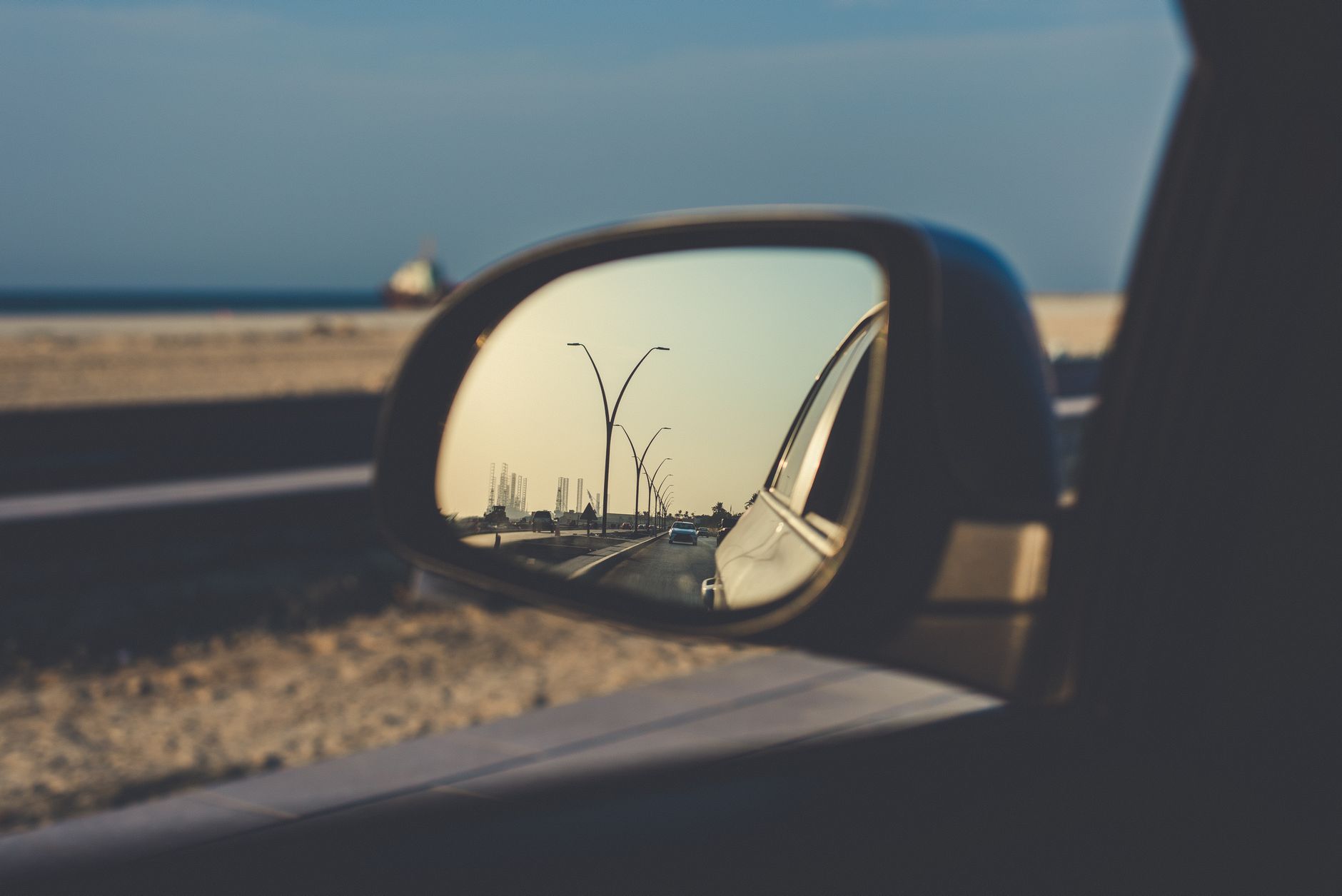
The biggest one, by a distance. Not that people never check the mirror, but that they check it out of habit, a flick of the eyes that takes nothing in, and then change lane or slow down as if they had not looked at all. The tester can tell the difference between a look that gathered information and a look that ticked a box. So can the truck you did not see. Check the mirror because you genuinely want to know what is behind you, not because the routine says to.
Observation at junctions
Rolling up to a junction and easing out while only really looking one way. Or looking both ways so quickly that nothing registered. Proper observation is a real pause and a real look, and at some junctions a second look, because traffic moves in the half-second after your first glance. A junction eased through on assumption is a fault waiting to be marked, and at its worst it is the dangerous kind that ends the test.
Roundabout lane discipline
Covered in full in the roundabouts guide, but it earns its place here too. Drifting between lanes, cutting across an exit, sitting in the wrong lane for the exit you want. Roundabouts fail more tests than anything else, and it is nearly always the lanes, not the going round.
Most of these are grade two faults, the kind that fail you by accumulation rather than all at once. Collect enough of the same grade two and it is a fail, even with no single dramatic error. A grade three, a genuinely dangerous fault, ends it there and then. Either way, it is the small quiet habits that do the damage.
Progress, or the lack of it
The quiet one nobody warns you about. Driving so cautiously that you become a hazard yourself: dawdling at roundabouts, crawling well under the limit for no reason, hesitating at a clear junction until the queue behind loses patience. Undue hesitation is a fault. The test wants a safe driver, not a frightened one, and there is a real difference between careful and frozen.
Signals, and meaning them
A signal left on long after the turn. A signal that misleads the driver waiting to pull out. A lane change with no signal at all, because you did not think anyone was there. Signalling is how you talk to other drivers, and a careless signal is worse than none, because it tells them something untrue. Make only the signals you mean, and cancel them when the moment has passed.
The fix is the same for all of them
None of these is hard to correct once you know it is there. The trouble is you cannot see your own habits, which is exactly what a mock test with an honest instructor is for. Get the faults found and named calmly before the day, and the tester is left with far less to mark. That is the quiet work of good test preparation: turning invisible habits into ones you can actually fix.